May 10, 2026
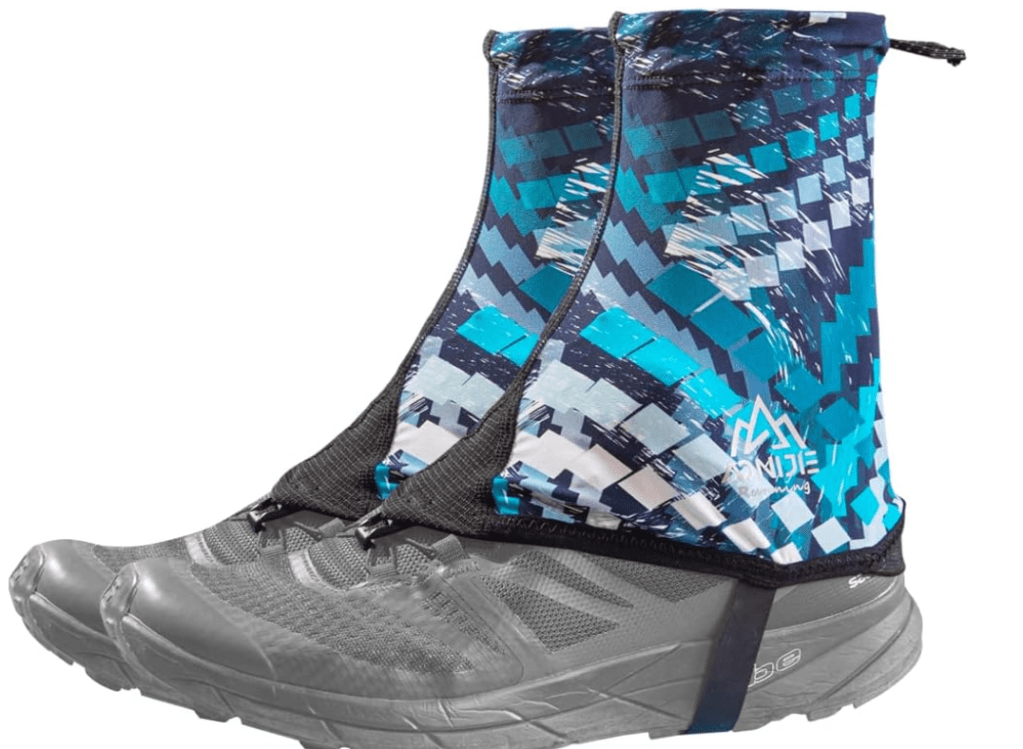
Andy Bradford and I came down from an early morning dog walk up Bald Pate last Thursday to find Jon Evans, Maggie Lynn and a gang of Loon Echo Volunteers congregating in the parking lot preparing for a day planting trees. Jon, who oversees the land trust’s properties and gets to spend his working hours wandering about outside (doing what some of us only get to do on our days off) was preparing to don a pair of tick gaiters. Those are the green funny fabric gaiters that are supposed to dissuade ticks from crawling up your legs and that Mary Lou hardly leaves home without putting on. Jon has an intense method to wearing them. Prior to putting them on his legs, he thoroughly saturates them with a heavy spray of insect repellent.
A recent NY Times article on ticks by Maggie Astor is probably worth all of us reading: “It’s Already a Bad Tick Season. Here’s How to Protect Yourself.” https://www.nytimes.com/2026/05/02/well/live/tick-bites-diseases-symptoms.html
Ticks are getting worse as the years pass. “This year, there were more emergency-room visits for tick bites during the month of April than in any year since 2017.” Climate change is allowing tick populations to grow and suburban development is bringing more people into closer contact with ticks.
More ticks are surviving through the milder winters and are active more months of the year. Tick territories are expanding and ticks now host a wider array of diseases. The Lone Star Ticks that one were confined to the deep south are now found as far north as Long Island and Martha’s Vinyard. These are the little demons who spread alpha gal disease that forcefully turns people into vegetarians. The Gulf Coast tick that once limited its range to within a hundred miles of the Gulf of Mexico can now be found as far north as Ohio. Asian longhorned ticks that arrived in NJ in 2017 are now found as far west as Oklahoma.
Ticks are carrying more diseases than they once did. We used to worry about Lyme disease or Rocky Mountain Tick fever. Now the list is too long to try to summarize here.
We found our first tick this year before the snow was melted and well before the pond ice went out. It promises to be a serious tick season. This isn’t the year to be lax about ticks.
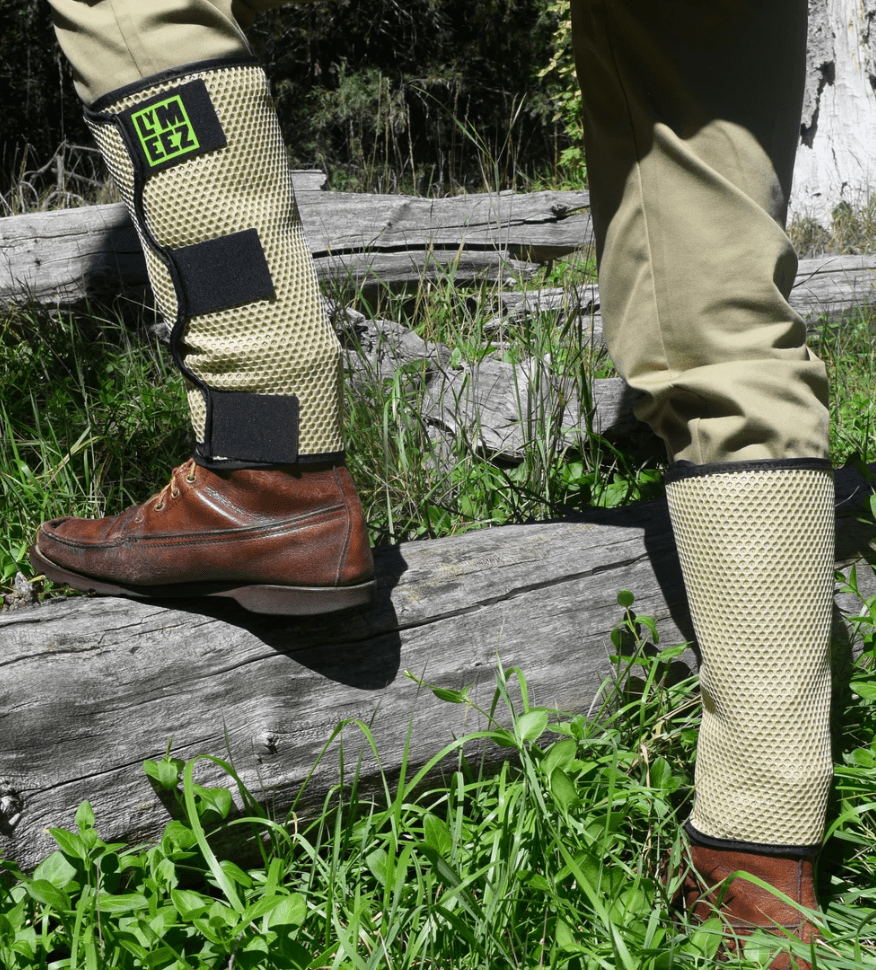
It’s time that we do the right thing and start to wear gaiters of some sort. And treat our hiking clothing with insect repellents, maybe even emulate Mary Lou and wear those tick gaiters. At least tuck your pants in your socks or copy Tony Caruso and at use those light breathable pretty ones like she does.
The Center for Disease Control, at least in the past, performed routine surveillance of tick populations. I had thought of the Lone Star Tick (Amblyomma americanum) as a southern thing,, kind of like white supremacists, but a 2025 distribution map suggests I was wrong:
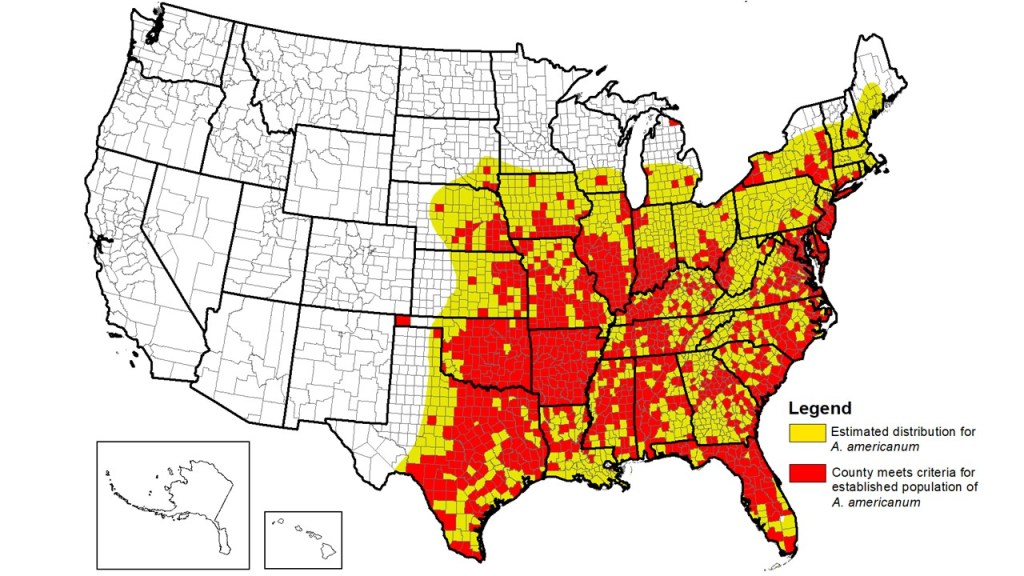
Back in the 1750s, Lone Star Ticks were found all across the eastern United States. Since then the tick’s distribution receded as forested land was reduced and white-tailed deer populations decreased. White-tailed deer are a keystone host for this tick. In other words, these ticks need white tailed deer. Thus, the current spread of these tick populations is really their repopulating what was their historical range following ther increase and spread of deer populations.
Lone Start Ticks may carry a number of diseases, and can lead to a condition known as Alpha-gal syndrome, which is a serious, potentially life-threatening allergic reaction to red meat (beef, pork, lamb) and dairy products. The syndrome is triggered by a sugar molecule in the tick’s saliva rather than an infectious agent carried by the tick. Symptoms include hives, itching, digestive issues, and anaphylaxis.
Remember this week’s hike has been switched to Mt Tire’m. More info

Leave a comment