July 16, 2026
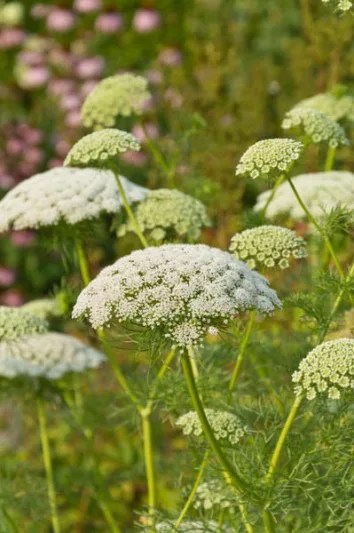
Khella first came to my attention in 1989 while eating lunch at a café in Santa Catarina, Egypt. Rena Bloom and I were about to begin a week-long trek through the desert mountains surrounding Mt. Sinai. We had spent the morning hiring a Bedouin guide, contracting a camel named Whiskey (along with his driver) and buying up enough food for the four of us. The fact that Rena and I were studying to become doctors of natural medicine had somehow become common knowledge in the locale and we found ourselves sitting at a table conversing with a gentleman who sold medicinal herbs on a rug in front of the gates of the famous Greek Orthodox Monastery that the town is named after.
Famous is an understatement as the Monastery of Santa Catarina is the world’s oldest continuously operating Christian monastery. Founded by Emperor Justinian in 548 AD, it also houses the world’s oldest library and rather notably, the preserved skulls of all the monastery’s past abbots dating back to the monastery’s founding. Postcards of those skulls are a big seller to the tourists who come from all over the world to trek up the road to the summit of Mt. Sinai to watch the sunrise.

The Jebeliya Bedouins of Santa Catarina are renowned for maintaining hundreds of hidden, high-altitude mountain gardens. They have relied on local flora for survival and also for healing medicines. My memory of climbing over a stone wall and entering one of these gardens to sample the fruits has left me with a lasting image of what the Garden of Eden would have felt like.

We had naively met Ahmed Salah, perhaps the most famous herbalist in Egypt at the time.

Our Bedouin colleague was widely known in the area for pioneering the use of a specific herb, one used to treat numerous illnesses, particularly a disease we recognized as vitiligo.
Vitiligo is an autoimmune condition where the immune system mistakenly attacks melanocytes, the pigment producing cells in the skin, resulting in white areas of skin. Vitiligo affects less than 2% of Egypt’s population about the same as in the US. [1] Yet in Egypt, where many people have dark complexions, white skin discolorations are more noticeable so the disease feels more common.
Our herbalist was selling khella, Ammi vishnaga, a Mediterranean herb with a long history of use in Egypt. One of its active compounds, Khellin, relaxes smooth muscles. In our naturopathic training we had already learned that this made Khella useful in treating asthma, as it opens the airways, and for passing kidney stones since it loosens the ureters. Khellin apparently also stimulates proliferation of melanocytes and in combination with ultraviolet light therapy, is now an accepted medical treatment for vitiligo symptoms.[2] Preparations of the raw herb combined with desert sunshine are apparently also an effective treatment.
That practical lesson in using khella under such novel circumstances left an impression; it was a pivotal time in my life and the upcoming adventure had me ‘attentive’ to any information related to new things including khella. So, when earlier this year I chanced upon an old article on khella, I read it with special attention. This ‘old article’ was the journal article written by Mouquin and Macrez in 1893 that had reported khella was useful for treating angina pectoris, We naturopaths have a thing about older journal articles that suggest long traditional use of specific herbal medicines. Such suggestions are particularly valued, kind of akin to discovering a lost and forgotten treasure map. We were already aware khella relaxes smooth muscle, so it seemed reasonable to think it could also dilate blood vessels in the heart increasing blood flow. This was a use I was unfamiliar with and intriguing. Perhaps, I had stumbled onto a lost treasure of therapeutics.
Mouquin and Macrez compared the actions of two khella constituents, khellin and visnadine, in treating angina. [3] There article is the earliest I’ve found suggesting such use. When published, it was obvious the plant was already bring utilized to treat angina. Their publication seems to have been the first in a wave of interest in using Khella for angina. Reading these early accounts inspired me to contact supplement manufacturers seeking out stronger khella extracts.
Khellin was isolated in crystalline form in 1930 by Fanti and Salem. [4] That same year, Samaan described how it relaxed smooth muscles in both the ureter and the hearts of various animals.[5] A year later, 1931, Samaan went on to report on half a dozen different active constituents found in the plant. [6]
Then in the early 1940s, Gleb Vasilevich Anrep, a Russian-born physiologist who was then working at Cairo University in Egypt, noticed that one of his laboratory technician’s angina symptoms disappeared after he had tried treating himself for renal colic with samples of khella that they were testing. This led Anrep to test khella’s effect on coronary blood flow.
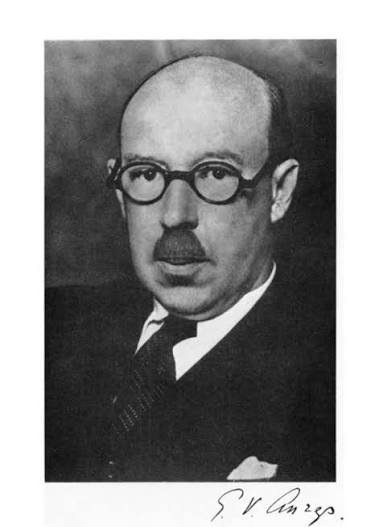
Anrep reported that “khellin, a crystalline extract from Ammi visnaga, …is a coronary vasodilator with effects surpassing aminophylline but lesser than amyl nitrite.” It was historically used to treat angina pectoris due to its prolonged action and, unlike amyl nitrite, it did not cause severe drops in blood pressure. These results prompted Anrep to use it clinically in patients with angina pectoris. In a study of 250 patients, he reported significant relief in 90% of cases, noting khellin was roughly four times stronger than existing treatments like aminophylline. [7]
Interest in khella as a therapeutic grew over the years and peaked in about 1950. In January 1950, the British Heart Journal published a paper by Dewar and Grimson describing a small study of 12 men with exercise induced angina who were treated with either khellin or glyceryl trinitrate (nitroglycerin). The khellin wasn’t quite as potent as nitroglycerin but its effect was longer lasting. [8]
Then in August 1950, a study of 30 angina patients by Armbrust and Levine reported that while khellin was effective at relieving angina, it caused significant GI complaints in so many of the study subjects that the authors recommended against using it. They had used concentrates that were 70-80% pure khellin. [9] .
Also in August 1950, a study by Greiner et al. cast further doubt about using khella. In their 39 patients, 35 (nearly 90%) reported unpleasant symptoms, mostly GI-related. But what is more important, this blinded-placebo-controlled trial reported that khellin was no more effective than placebo at reducing angina pain.[10] How could khella have been used clinically for decades and yet not have medicinal action? Not a hidden treasure at all: I emailed back those vendors I had contacted saying, “Never mind about the khella.”
Let’s consider the GI complaints first. Reports of GI complaints are common in many khellin studies. Depending on doses and preparation used, anywhere between 29% to 60% of patients complain. Such reports certainly dampen any excitement. It is worth noting that when khella extracts are used to treat vitiligo, only about 29% of patients suffer GI side effects. The most common are mild nausea, which primarily occurs during the first few weeks of treatment.[11]
The Greiner study however was a turning point in khella research as it suggested that khella was not actually an effective treatment for angina. Greiner was also published at a turning point in medical research as the resultant dramatic shift in khella’s reputation established the necessity for double blinded placebo controlled clinical trials to determine what was true drug action and what was merely the effect of suggestion by the doctor. While additional studies were published post-Greiner, suggesting khella’s favorable effects on angina, the tide had turned. Greiner et al is the crossover point not just in Khella research but in the history of medicine and the accepted necessity for blinded trials. This doesn’t mean that khella was dropped instantly. It continued to be studied for treating angina and notably several synthetic drugs were developed modeled after constituents found in khella, specifically cromolyn sodium, the mast cell inhibitor used for exertional asthma and food allergies and the heart drug amiadarone, used to control severe arrythmias.
In hindsight we can appreciate that angina is a subjective condition that is responsive to placebo effect. Until researchers realized this and instituted the practice of using double blind placebos, studies that demonstrated khella benefit for angina were simply probably just measuring a placebo effect.
[The most comprehensive summary of this chapter in the history of medicine is the three article series by Scott Podolsky of Harvard Medical School.[12]]

The earliest written description of angina was Edward Hyde’s report on his father, the Earl of Clarendon’s ailments prior to death in the 17th century. In 1772, William Heberden invented the term angina pectoris to describe its symptoms of chest pain. Angina was an invented name, a cross between words used to describe sore throat, anger and anguish, so that angina pectoris meant something like a severe anguishing angry sore throat pain in the chest.
It was realized that this pain was sensitive to suggestion early on.[13]
Khella was not alone in being thought effective angina treatment early in the last century but then proven ineffective. A list of one-time angina treatments includes theobromine, theophylline, veratrum viride, strychnine, amyl nitrite, potassium iodide, and the xanthine drugs.
In 1939 Masters, Jaffe and Dack reported on the responsiveness of angina to placebo. Finding that a lactose placebo relieved angina symptoms 52% of the time, they concluded,
“It was not a particular drug, but merely the factor of receiving a medication, that gave relief. … Obviously one cannot ascribe a specific effect to a drug when its action is no better than that of an inert substance…. psychological factors… the nervous makeup and emotional status of the patient” were of paramount importance… . These factors explained “…. the reports of good results with numerous drugs.” They summarized their findings, “It is the physician who spends half an hour talking to a patient gaining his interest and confidence who is most apt to help the patient.” [14]
In the 1920s to 1940s it was already dawning on researchers that psychological suggestion played a role in angina pain and that patient blinding was needed to counter the influence of the clinician in trials of anginal medications. Even the unconscious bias of the researchers influenced outcomes and that they too needed to be blinded.
By 1935 the consensus had shifted away from belief that angina pectoris was an anatomical phenomenon to a belief that emotional, social and psychic reactions were ‘equal if not greater import than anatomical ones.’ At a New York Academy of Medicine’s 1935 symposium, Harlow Brooks a NYU heart disease specialist summarized these ideas:
“The most important basic fact for the physician who is called upon to treat a patient suffering from angina pectoris to realize is that angina pectoris is not a disease, but a symptomatic picture which may be caused by a quite divergent basic pathology. He must also recognize the fact that it is but rarely that he is able to strike directly at the basic pathology concerned in angina pectoris, but that he must in most instances treat the symptoms and signs which are in turn dominantly modified by the personality, emotional status and individuality of the patient, even much more so than in most disease conditions. Physical factors are often much subordinated to emotional ones in this complex and the social obligations and psychic reactions of import than anatomical ones.” [15]
In 1933 Evans and Hoyle reported that they had studied a range of anti-angina drugs looking at the impact ‘suggestion’ had on their effects. They used a cross-over design with patients being exposed to the active drug or to a placebo (made of baking soda, gentian and coloring agents). They reported ‘a measure of improvement appear[ed] to result from every remedy tried, and at least as great an improvement during treatment with placebo’, with placebos yielding a 37.5% overall chance of improvement. [16]
In 1935 Arthur Master at Mount Sinai Hospital in New York (and not Santa Catarina where I began this story) corroborated Evans and Hoyle’s findings but found their lactose tablet placebo was useful 52% of the time. (it’s not thought that the placebo made the difference but rather their suggestions regarding the effectiveness of treatment was what played the role.) Master wrote, “It was not a particular drug, but merely the factor of receiving a medication, that gave relief. … Obviously one cannot ascribe a specific effect to a drug when its action is no better than that of an inert substance. The improvement noted must depend on psychological factors.”
Such psychological factors – ‘… were of ‘paramount importance’, to the point that ‘a new medication, a new physician, a new type of therapy may bring relief’, at their angina clinic, ‘the average patient feels improved during the first few weeks of attendance … no matter what drug he receives.’ [17]
Poldolsky, in his history series on angina gives Harry Gold of Cornell University the credit for realizing how necessary blinded controls were for randomized clinical trials to be of value. In 1939, Gold wrote, “It is idle to attribute the relief of pain to a substance given in a series of injections when the ritual of the treatment itself, as well as numerous other factors that have not been excluded, could have been responsible for the change.” [18]
Gold’s perception that ritual was a component of placebo effect was ahead of its time. For the most part it was thought that ‘belief’ in the treatment triggered placebo effect. It wasn’t until recently, the first decades of this century, when Ted Kaptchuk at Harvard showed that open-label-placebos provide the same relief as what he calls ‘deceptive placebos’ that it became apparent that ‘belief’ was not necessary and that the ritual of receiving medicine may be sufficient to trigger a placebo response. [19]
Things were about to shift dramatically in the way drugs were evaluated. In 1929, Gilbert and Kerr reported that they had given xanthine preparations to 86 angina patients, and 72 of them experienced relief.[20] And yet just eight years later, in 1937, Gold et al, famously reported in a JAMA study,
“… that the xanthines exert no specific action which is useful in cardiac pain.”
In that same issue of JAMA in which Gold’s statement was published, the AMA’s Council on Pharmacy and Chemistry reversed their prior stance that had supported the use of xanthine derivatives for treating angina’ citing Evans and Hoyle, and now Gold’s findings.[21]
These papers that focused on the treatment of angina were early signs of the magnitude of placebo effect although that wasn’t the term they chose to use. When Henry Beecher published the summary of his trials on placebo effect in “The Powerful Placebo” in 1955, he will report that placebo was effective in 35% of the time. [22]
Researchers were aware that angina was a subjective symptom at least as far back as the 1930s.
“Accurate evaluation of the efficacy of therapy in angina pectoris is difficult, for since cardiac pain is a subjective sensation with no constant outward manifestations, it is necessary to rely almost wholly on the patient’s description of his symptoms.” [23]
Benson and McCsllie’s 1979 paper “Angina Pectoris and the Placebo effect” [24] suggested that placebo effect skewed results 40-80% of the time to favor of what would later prove to be ineffective treatments.
Not quite as recent but Benson and McCallie’s 1979 paper “Angina Pectoris and the Placebo effect” [26] had suggested that placebo effect skewed results 40-80% of the time to favor of what would later prove to be ineffective treatments.
Utilizing the luxury of hindsight, we can consult a modern meta-analysis from 2022 that reviewed 78 randomized controlled trials involving nearly 5,000 patients. This study by Gallone et al., reports that placebo treatment significantly and substantially improved exercise duration and quality of life metrics in patients with angina.[25]
We have learned a great deal about placebo effect since Kaptchuk first demonstrated the effectiveness of open label placebos (OLPs) on irritable bowel syndrome in 2010. [27] This finding opened the door to placebo research which had previously been restricted by ethical concerns. Since than numerous OLP trials have shown OLPs to be equally effective as “deceptive placebos”, the term applied to using interventions that the patient believes are real medication. We can turn to meta-analyses of these newer placebo studies.

An August 2025 meta-analysis by Johannes Fendel et al, which included 60 RCTs of open-label placebos, reports benefits in both clinical and non-clinical settings: but placebos were more effective in clinical setting. That would suggest that treatments performed or initiated in the office might be more effective than when started at home. Or in the case of many early angina studies in specialty medical clinics. This might justify the traditional practice of having the patient take their first dose of a medication while still in the office “to see if it helps.”
Placebo effects are more pronounced when assessed through self-reporting than objective measurements. Such is often the situation with angina, the patient self-assesses whether the medication helps.
The list of conditions upon which open-label -placebos have been shown effective now includes relieving chronic pain, such as low back pain and migraine headaches, functional disorders such as IBS, allergic rhinitis, and other conditions that include addiction support, cancer related fatigue and menopausal hot flashes.
All these ‘susceptible conditions” are to some degree subjective complaints and might be generalized as ailments of self-regulation or sensory regulation: situations in which some homeostatic mechanism is out of adjustment. Pain is perceived as too intense, immune reactivity as too responsive, bowel transit time as too fast or too slow.
However, at this point OLPs have not been evaluated against angina and we shouldn’t hold our breathes waiting for it to be. When asked about why no studies, Kaptchuk cited the complexity of working with heart disease patients as a hindering factor. We might guess it would be ethically questionable to administer placebo to treat any condition for which there are now known and effective treatments. The modern nitrate drugs do work well.
The effect of placebo treatments can be long lasting. Several studies on chronic back pain stand out in this regard: they suggest placebo response may persist over long periods of time. Ashar reported in 2014 that a single saline placebo injection in a tender location of the back was associated with pain relief for the full year the patients were monitored.’ The patients not only felt less pain but also reported significant improvements in anxiety, depression and sleep during those twelve months. [28]
Claudia Carvalho et al initially reported in 2016 that open-label placebo treatments were helpful for chronic low back pain.[29] Five years later their research team followed up with these original patients and found that: “Improvements persisted after 5 years and were accompanied by substantial reductions compared with baseline in the use of pain medication (from 87% to 38%), comprising analgesics (from 80% to 31%), antidepressants (from 24% to 11%), and benzodiazepines (from 15% to 5%)” [30] The common assumption that placebo relief would be short-lived appears to be false.
Would it hurt then to give a single dose of khella to our angina patients, informing them that it is an old fashioned medicine from Ancient Egypt, believed to cure angina, but no longer thought of as effective or that has gone out of use? Placebos seem to work better when dosed twice a day for a month. So perhaps consider a few drops of khella diluted in water as such a small amount will unlikely cause GI distress but sound potent and may have a lasting effect on subjective discomfort.
Although the Greiner study from 1950 concluded that khella was ineffective, this didn’t stop ongoing research and studies. Several studies were published more recently suggesting khella benefit.
Rosenman et al. (1950) reported that khellin acts as a potent, long-acting coronary vasodilator, providing significant relief for angina pectoris patients. While effective, the study identified that high incidence of gastrointestinal side effects to be a problem. Also, in 1950 Armbrust and Levine also reported that khella was effective at reducing angina but that again the GI side effects restricted it’s use. [31] Best and Cor reported in 1951 that despite subjective reports of reduced angina, electrocardiographic signs of ischemia during stress tests showed no improvement with use.[32]
As late as 1951 Osher, Katz and Wagner wrote in the NEJM that khellin is a safe and effective drug for treating angina. [33] In 1952 Scott and Seiwert report in the Annals of Internal Medicine that their process of purifying khellin allowed them to effectively treat angina while minimizing its side effects. [34] Perhaps khella was simply ineffective and fell from use. Or perhaps khella does have some benefit for angina but it fell from use only because nitroglycerine and the nitrate drugs were just much more effective?
Nitroglycerine was discovered in 1847. Its ability to produce violent headaches in tiny quantities was immediately apparent and led Constantin Hering to perform homeopathic provings in 1849 and then to prescribe it homeopathically as glonoine for headache.
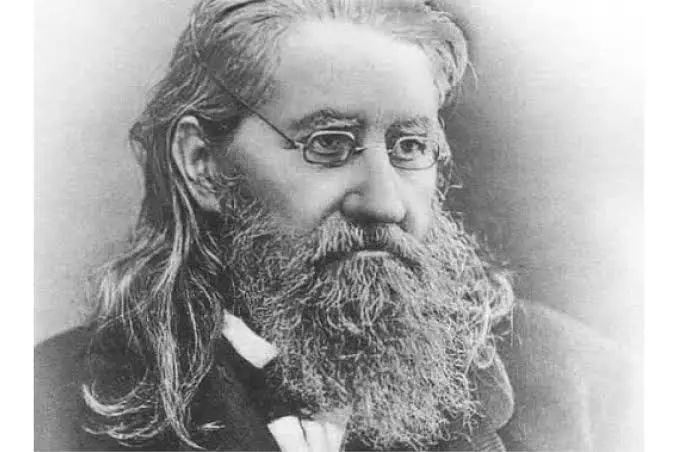
Nobel made a name and fortune for himself starting in 1851 when he figured out how to use nitroglycerine as an explosive. Nitroglycerine was first used to treat angina by William Murrell in 1878. [35] It wasn’t until 1977 however that Ferid Murad explained its mechanism of action: nitrates release nitric oxide, which then acts as a powerful signaling molecule to relax vascular smooth muscles. The slow-release nitrate, isosorbide dinitrate, came on the global market in 1946 and was approved by the FDA in the US in 1959. The newer version, isosorbide mononitrate, was approved in 1991. Today these slow-release nitrates are the mainstay treatment for angina and there is no interest or need for khella.[36]
Is there a lesson to learn from this story? A message we might take to heart? Obviously, our excitement or trust in long used traditional medicines may be naive. Many older medicines were helpful due to placebo effect. They work often enough to use and appear effective. Until we find well done, randomized, blinded, placebo-controlled evidence, an observation that “this seems to work” is not a substitute for proof. Many things appear to work, in the case of khella, it didn’t just work, it worked well.
Marco Anoni summed the situation up in 2020 writing that “…the great lesson of medical history is that the placebo has always been the norm of medical practice, that it was only occasionally and at great intervals that anything really serviceable, such as the cure of scurvy with fresh fruits, was introduced into medical practice.” [37] Kind of a dismal view of reality but one worth taking note of as it is the way that our colleagues in their white coats see our world.
.
[1] Gandhi K, Ezzedine K, Anastassopoulos KP, et al. Prevalence of Vitiligo Among Adults in the United States. JAMA Dermatol. 2022 Jan 1;158(1):43-50.
[2] Gianfaldoni S, Wollina U, Tirant M, et al. Herbal Compounds for the Treatment of Vitiligo: A Review. Open Access Maced J Med Sci. 2018;6(1):203-207. Published 2018 Jan 21. doi:10.3889/oamjms.2018.048
[3] MOUQUIN M, MACREZ C. [Attempted treatment of angina pectoris with a new active principle extracted from amni visnaga (visnadin) different from khellin]. Presse Med (1893). 1960 Feb 13;68:257-8. French. PMID: 14424745.
[4] Fantl, P., and Salem, S. I. (1930). “Chellol-Glucosid.” Biochemische Zeitschrift, 226: 166–172.
[5] https://dergipark.org.tr/tr/download/article-file/279391
[6] Samaan, K. (1931). “The Isolation and Properties of Visammin, Visammidin, Visnaginin, Visnagidin, Khellinin, Khellidin and Visnagan.” Quarterly Journal of Pharmacy and Pharmacology, 4: 14–27.
[7] Hultgren HN, Robertson HS, Stevens LE. CLINICAL AND EXPERIMENTAL STUDY OF USE OF KHELLIN IN TREATMENT OF ANGINA PECTORIS. JAMA. 1952;148(6):465–469. doi:10.1001/jama.1952.62930060006013
[8] DEWAR HA, GRIMSON TA. Khellin in the treatment of angina of effort. Br Heart J. 1950;12(1):54-60. doi:10.1136/hrt.12.1.54
https://pmc.ncbi.nlm.nih.gov/articles/PMC503653/pdf/brheartj00407-0058.pdf
[9] ARMBRUST CA Jr, LEVINE SA. The treatment of angina pectoris with a preparation of khellin (Ammi visnaga). Am J Med Sci. 1950 Aug;220(2):127-32. doi: 10.1097/00000441-195008000-00002.
[10] GREINER T, GOLD H, CATTELL M, et al.. A method for the evaluation of the effects of drugs on cardiac pain in patients with angina of effort; a study of khellin (visammin). Am J Med. 1950 Aug;9(2):143-55. doi: 10.1016/0002-9343(50)90017-9.
[11] Hofer A, Kerl H, Wolf P. Long-term results in the treatment of vitiligo with oral khellin plus UVA. Eur J Dermatol. 2001 May-Jun;11(3):225-9. PMID: 11358729.
[12] Podolsky SH. The (Harry) Gold standard: angina, suggestion and the path to the ‘double-blind’ test and clinical pharmacology. Part 1: angina relief and suggestion. J R Soc Med. 2023 Jul;116(7):246-251. doi: 10.1177/01410768231183237
[13] Khan IA, Mehta NJ. Initial historical descriptions of the angina pectoris. J Emerg Med. 2002 Apr;22(3):295-8.
[14] Master AM, Jaffe HL, Dack S (1939). The drug treatment of angina pectoris due to coronary artery disease. American Journal of Medical Science 197:774-782.
The James Lind Library. https://www.jameslindlibrary.org/master-am-jaffe-hl-dack-s-1939/
[15] Brooks H. The Treatment of the Patient with Angina Pectoris. Bull N Y Acad Med. 1935 Jul;11(7):442-52. PMID: 19311962; PMCID: PMC1965774.
[16] W Evans, C Hoyle. The comparative value of drugs used in the continuous treatment of angina pectoris. QJM: An International Journal of Medicine, 1933•academic.oup.com
[17] Master AM, Jaffe HL, Dack S. The drug treatment of angina pectoris due to coronary artery disease. Am J Med Sci 1939; 197: 774–782.
[18] Gold H. Drug therapy in coronary disease. JAMA 1939; 112: 1–6.
[19] Kaptchuk TJ, Friedlander E, Kelley JM, et al. . Placebos without deception: a randomized controlled trial in irritable bowel syndrome. PLoS One. 2010 Dec 22;5(12):e15591.
[20] Gilbert NC, Kerr JA. Clinical results in treatment of angina pectoris with the purine-base diuretics- JAMA. 1929;92(3):201–204.
[21] Council on Pharmacy and Chemistry, American Medical Association. “Report: Limitations of claims for aminophylline and other xanthine derivatives.” Journal of the American Medical Association 108 (1937): 2203
[22] BEECHER HK. The powerful placebo. J Am Med Assoc. 1955 Dec 24;159(17):1602-6.
[23] Riseman JEF, Brown MG. Medicinal treatment of angina pectoris. Arch Intern Med 1937; 60: 100–118.
[24] Benson H, McCallie DP Jr. Angina pectoris and the placebo effect. N Engl J Med. 1979 Jun 21;300(25):1424-9.
[25] Gallone G, Baldetti L, Angelini F, et al. The Placebo Effect on Symptoms, Quality of Life, and Functional Outcomes in Patients With Angina Pectoris: A Meta-analysis of Randomized Placebo-Controlled Trials. Can J Cardiol. 2022 Jan;38(1):113-122.
[26] Benson H, McCallie DP Jr. Angina pectoris and the placebo effect. N Engl J Med. 1979 Jun 21;300(25):1424-9. doi: 10.1056/NEJM197906213002508. PMID: 35750.
[27] Kaptchuk TJ, Friedlander E, Kelley JM, et al. . Placebos without deception: a randomized controlled trial in irritable bowel syndrome. PLoS One. 2010 Dec 22;5(12):e15591.
[28] Ashar et al. Open-Label Placebo Injection for Chronic Back Pain With Functional Neuroimaging: A Randomized Clinical Trial. JAMA Netw Open. 2024 Sep 3;7(9).
[29] Carvalho C, et al. Open-label placebo treatment in chronic low back pain: a randomized controlled trial. Pain. 2016 Dec;157(12):2766-2772.
[30] Carvalho, C Pais, M; et al. Open-label placebo for chronic low back pain: a 5-year follow-up. PAIN 162(5):p 1521-1527, May 2021. |
[31] The Treatment of Angina Pectoris With a Preparation of Khellin (Ammi visnaga)” (1950) by C.A. Armbrust Jr. and S.A. Levine, published in the American Journal of the Medical Sciences. Fix this citation
[32] “Effect of Khellin on Coronary Artery Insufficiency as Evaluated by Electrocardiographic Tests” (1950) by M.M. Best and W.S. Coe, published in Circulation.
[33] Khellin in the treatment of angina pectoris” (1951) by W.J. Osher, K.H. Katz, and D.J. Wagner, published in the New England Journal of Medicine. “Published in the New England Journal of Medicine in 1951, H.L.
[34] SCOTT RC, SEIWERT VJ. The treatment of angina pectoris with pure crystalline khellin. Ann Intern Med. 1952 May;36(5):1190-7. doi: 10.7326/0003-4819-36-5-1190. PMID: 14924456
[35] Marsh N, Marsh A. A short history of nitroglycerine and nitric oxide in pharmacology and physiology. Clin Exp Pharmacol Physiol. 2000 Apr;27(4):313-9. doi: 10.1046/j.1440-1681.2000.03240.x. PMID: 10779131.
[36] Divakaran S, Loscalzo J. The Role of Nitroglycerin and Other Nitrogen Oxides in Cardiovascular Therapeutics. J Am Coll Cardiol. 2017;70(19):2393-2410. doi:10.1016/j.jacc.2017.09.1064
[37] Annoni M. Better than nothing: A historical account of placebos and placebo effects from modern to contemporary medicine. Int Rev Neurobiol. 2020;153:3-26

Leave a Reply